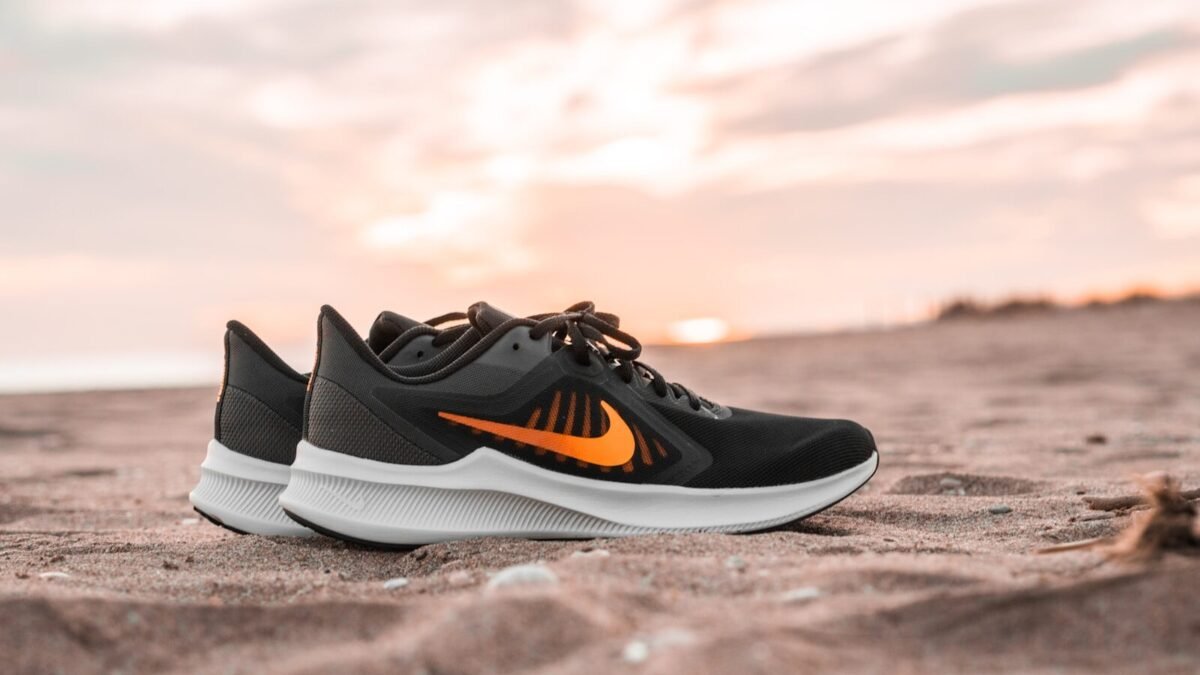
Few purchases generate as much discussion among runners as a new pair of shoes. Conversations quickly turn to cushioning, heel drops, carbon plates, stability technologies, and the latest foam compounds. Marketing often suggests that choosing the right shoe will dramatically reduce your injury risk, while choosing the wrong one could lead to months on the sidelines.
If only it were that simple.
Modern running shoes are remarkable pieces of engineering. They can improve comfort, influence how a run feels, and sometimes enhance performance. What they cannot do is remove the need for sensible training, adequate recovery, and gradual progression. Running injuries are rarely caused by footwear alone, and they are even more rarely prevented by footwear alone.
Why This Question Is So Difficult to Answer
If running shoes alone prevented injuries, researchers would have identified the perfect design long ago.
Instead, decades of research have produced a more nuanced picture. Injury risk depends on many factors working together, including training load, recovery, previous injuries, strength, sleep, nutrition, running experience, and individual anatomy. Footwear is one piece of that puzzle, but it is not the entire picture.
This is why two runners can wear exactly the same model of shoe and have completely different experiences. One may find it exceptionally comfortable, while another develops discomfort within a few kilometres.
Comfort May Be More Important Than Technology
One of the most consistent findings in modern running research is surprisingly simple.
Runners often perform best in shoes that feel comfortable.
Comfort encourages natural movement and reduces the likelihood that you will unconsciously change your running mechanics to accommodate an uncomfortable shoe. Rather than searching for the model with the longest list of technical features, it is often wiser to look for the pair that feels stable, comfortable, and suited to your running style.
Comfort is personal. What feels excellent to one runner may not feel right to another.
Cushioning and Injury Prevention
Highly cushioned shoes have become increasingly popular over the past decade.
Extra cushioning can reduce the sensation of impact and make long runs feel more comfortable for many runners. That does not necessarily mean those shoes eliminate injury risk.
The human body naturally adjusts the way it runs according to the surface beneath it and the footwear being worn. More cushioning changes how a run feels, but it does not remove the stresses created by training. Your muscles, tendons, and bones still need time to adapt to the workload you place upon them.
Choosing a cushioned shoe because it feels comfortable is a reasonable decision. Expecting it to replace good training habits is not.
What About Stability Shoes?
Stability shoes were originally developed to provide additional support for runners whose feet rolled inward more noticeably during landing, a movement known as pronation.
For many years, runners were routinely categorised according to foot type before being advised to buy a specific type of shoe. Modern evidence suggests that the relationship between foot shape, pronation, and injury risk is not nearly as straightforward as once believed.
That does not mean stability shoes have no place. Many runners find them comfortable and supportive, particularly if they have used them successfully for years. The important point is that comfort and individual preference often matter more than rigid classifications.
Should You Replace Your Running Shoes Regularly?
Running shoes gradually lose some of their cushioning and structural properties with use.
Exactly when they should be replaced depends on several factors, including the shoe itself, the surfaces you run on, your body weight, and how frequently you train. Instead of focusing only on a specific mileage, pay attention to how the shoes feel.
If they no longer feel comfortable, the midsole feels noticeably less responsive, or the upper shows significant wear that affects fit, it may be time to consider a replacement.
Your body often notices those changes before the numbers on your running app do.
Is It Worth Owning More Than One Pair?
Many experienced runners rotate between two or more pairs of shoes.
This can allow different muscles and tissues to experience slightly different loading patterns, while also giving each pair time to dry and recover between runs. Some research suggests shoe rotation may be associated with a lower risk of injury, although several factors are likely involved.
For recreational runners, however, owning multiple pairs is not essential. One comfortable, well-fitting pair is usually enough to support consistent training.
Shoes Cannot Replace Smart Training
It is understandable to hope that a new pair of shoes might solve an ongoing problem.
Sometimes a more comfortable shoe genuinely improves the running experience. More often, however, persistent pain reflects issues that footwear alone cannot address.
Rapid increases in mileage, insufficient recovery, accumulated fatigue, poor sleep, and inadequate strength training all place demands on the body that no shoe can eliminate. Looking only at footwear may distract from the factors that deserve the greatest attention.
The best shoes support good training. They do not replace it.
Choose Shoes That Help You Enjoy Running
The ideal running shoe is not necessarily the lightest, the softest, or the most expensive.
It is the shoe that allows you to run comfortably, confidently, and consistently. If a pair fits well, feels natural, and encourages you to look forward to your next run, it is already doing one of the most important jobs a running shoe can perform.
Healthy running depends on much more than footwear. It grows from sensible progression, patient recovery, balanced nutrition, adequate sleep, and a willingness to listen to your body. Shoes become part of that system rather than the solution to it.
There will always be new technologies and exciting product launches, and many of them genuinely improve the running experience. The strongest runners, however, understand that lasting progress is rarely found in a shoe box. It is built through months of thoughtful training, supported by equipment that fits comfortably into the bigger picture.
Leave a Reply