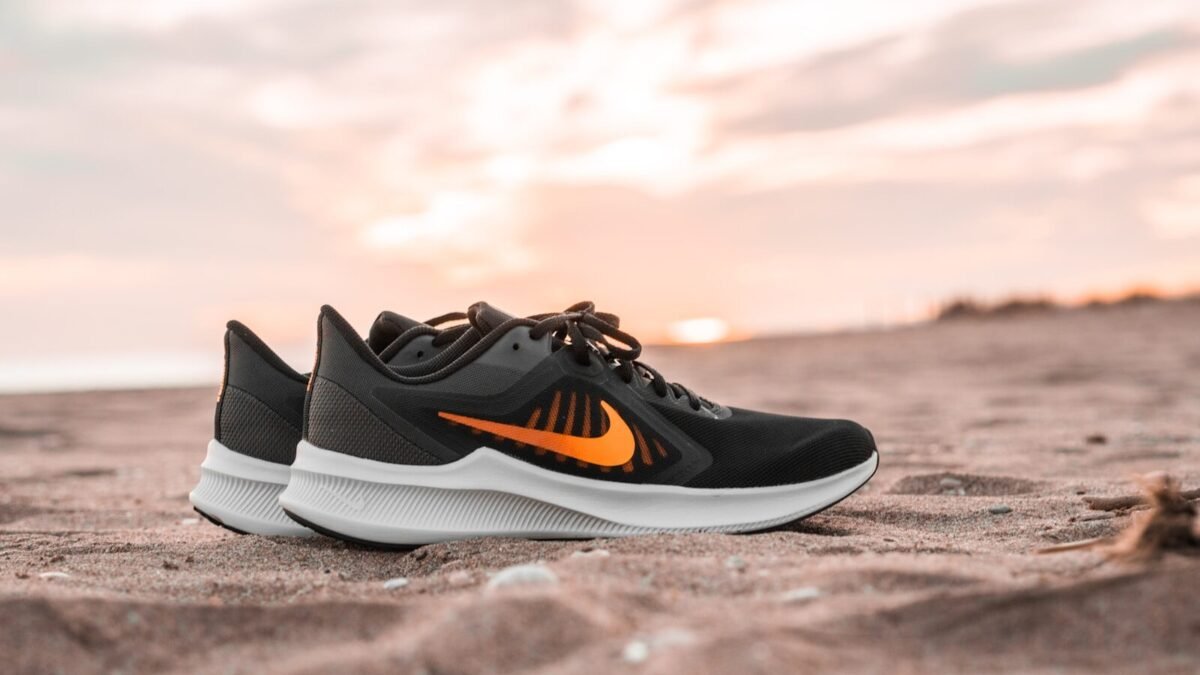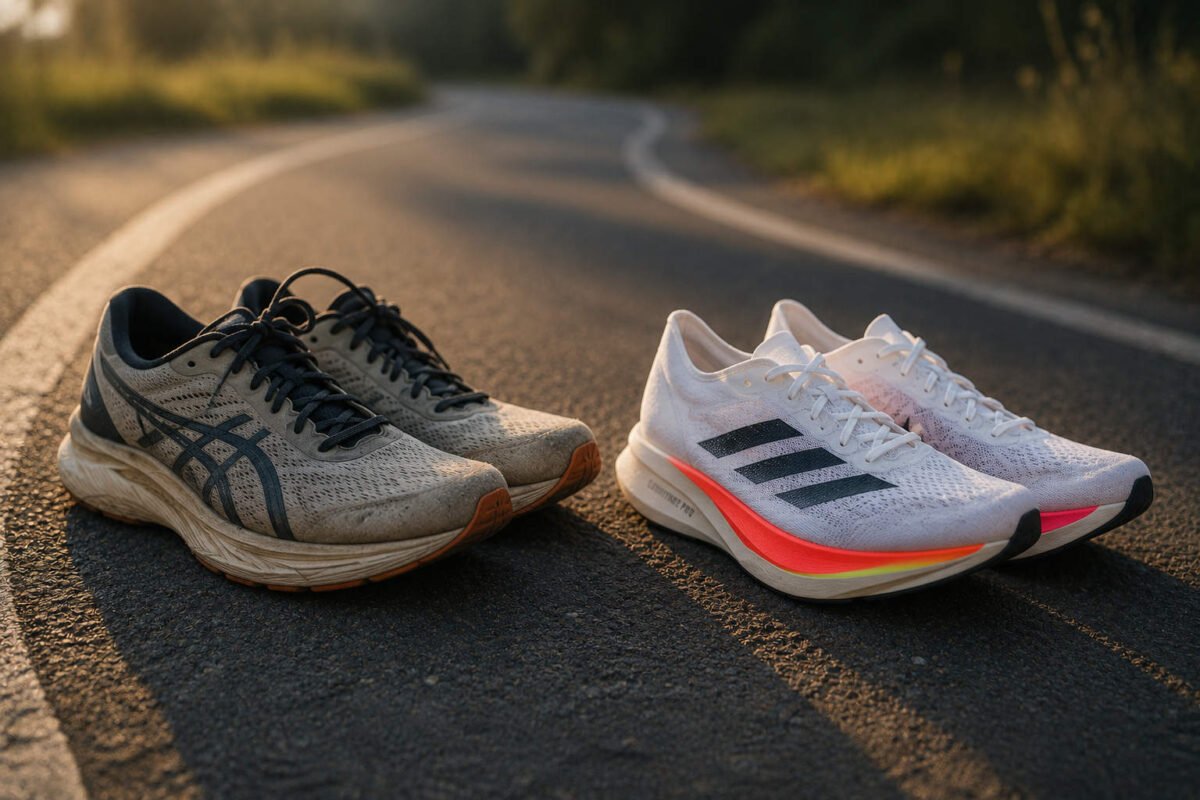
The variety of running shoes available today reflects how much the sport has evolved. Modern materials allow manufacturers to design footwear with very specific purposes. Some shoes prioritise comfort over long distances. Others are built to feel light and responsive during fast workouts. Racing shoes often combine advanced foams with carbon plates to maximise efficiency during competition.
With so many options, it is easy to assume that every runner needs an extensive shoe collection. In reality, most runners benefit far more from understanding the purpose of each type of shoe than from owning them all. The goal is not to collect shoes. It is to choose equipment that supports the way you actually train.
The Role of a Daily Trainer
For most runners, the daily trainer is the shoe that spends the most time on the road.
It is designed to handle a wide variety of runs, from comfortable recovery sessions to steady weekend long runs. Daily trainers usually balance cushioning, durability, comfort, and stability, making them suitable for the majority of weekly training.
This versatility explains why many runners complete months or even years of enjoyable training with nothing more than one reliable daily trainer.
If you are new to running, a good daily trainer is often all you need.
What Makes a Racing Shoe Different?
Racing shoes are built with a very different purpose.
Instead of focusing primarily on durability or versatility, they aim to help runners perform as efficiently as possible during races and fast efforts. Modern racing shoes often use lightweight foams and carbon-fibre plates that create a distinctive ride and encourage forward movement.
These shoes are remarkable examples of engineering, but they are also specialised tools.
Just as a racing bicycle is designed differently from an everyday commuter bike, racing shoes are designed for performance rather than daily use.
Do Carbon-Plated Shoes Make Everyone Faster?
Carbon-plated shoes have received enormous attention in recent years.
Laboratory studies and race results suggest that they can improve running economy for many runners, particularly over longer distances. That does not mean every runner will experience the same benefit, nor does it mean they replace good training.
Fitness still matters far more than footwear.
A carbon-plated shoe cannot substitute for months of consistent running, sensible recovery, and gradual progression. It simply helps some runners use the fitness they have already developed a little more efficiently.
That distinction is worth remembering whenever new technology appears.
Should Beginners Buy Racing Shoes?
Many new runners wonder whether they should begin with the most advanced footwear available.
For most people, the answer is probably no.
Daily trainers are generally more versatile, more durable, and better suited to the wide variety of runs involved in building a solid training foundation. Beginners also benefit from learning what they enjoy in a running shoe before investing in highly specialised models.
There is nothing wrong with admiring advanced racing shoes.
There is simply no need to rush into buying them.
When Multiple Pairs Can Be Helpful
As experience grows, some runners enjoy rotating between different shoes.
A comfortable daily trainer might handle most weekly mileage.
A lighter shoe may feel enjoyable for interval sessions or tempo runs.
A racing shoe may be reserved for important events where every small advantage becomes meaningful.
This approach can add variety to training, but it is an option rather than a requirement.
Owning multiple pairs should solve practical needs rather than satisfy the feeling that every runner must follow the same pattern.
One Shoe Is Still Enough for Many Runners
There is something refreshing about simplicity.
Thousands of runners successfully complete parkruns, half marathons, and even marathons wearing one dependable pair of shoes. They focus their attention on training, recovery, nutrition, and consistency rather than constantly searching for better equipment.
This approach remains just as valid today as it was before specialised shoe categories became common.
The quality of your training matters far more than the number of shoes in your wardrobe.
Buy for Your Goals, Not Someone Else’s
Elite athletes often wear racing shoes because they compete where every second matters.
That context is important.
Their training volume, race goals, and level of competition differ from those of most recreational runners. Trying to copy every equipment choice made by elite runners does not necessarily improve your own experience.
Instead, choose shoes that reflect your own goals.
Someone preparing for a first ten-kilometre event may need something very different from an experienced marathon runner chasing a personal best.
The best equipment is the equipment that supports your own journey.
The Right Shoe for the Right Job
Running shoes have never been more advanced than they are today, and that is something worth celebrating. Different designs allow runners to choose equipment that matches different types of training rather than asking one shoe to do everything. At the same time, the growing number of choices should not create unnecessary pressure.
A daily trainer is not an inferior version of a racing shoe. It simply performs a different role. Racing shoes are not magical shortcuts to better performance. They are specialised tools designed for specific situations.
Understanding those differences allows you to make thoughtful decisions instead of feeling influenced by marketing or trends. The most valuable shoe is not the one with the newest technology or the highest price. It is the one that helps you enjoy your running, supports your training goals, and encourages you to return for the next run with confidence.
Whether you own one pair or several, remember that the strongest improvements still come from the kilometres you run, not the shoes waiting by the door.