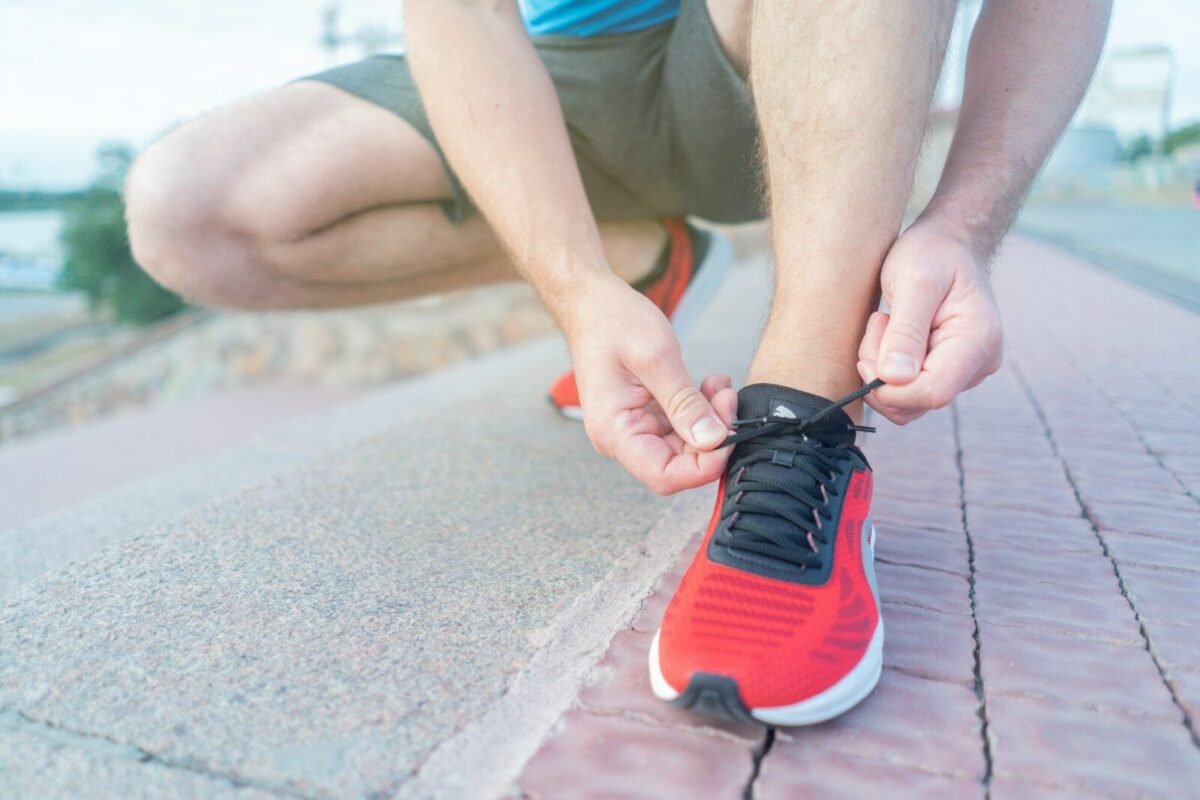
Walk into a running store or browse an online retailer, and it’s easy to believe that running is an expensive sport. Shoes promise more speed, watches offer dozens of performance metrics, and every season seems to bring another piece of must-have equipment. For someone just beginning, the choices can feel overwhelming.
The truth is much simpler. Running has remained one of the world’s most accessible sports because it asks for very little. Comfortable clothing, a reliable pair of running shoes, and the willingness to take that first step are enough to begin. As your running journey develops, you’ll naturally discover which additional items make your experience more enjoyable, but there’s no need to buy everything at once.
Start With Comfortable Running Shoes
If there’s one item worth investing in, it’s your running shoes.
Unlike everyday trainers or casual sneakers, running shoes are designed to handle the repeated impact that comes with every stride. They provide cushioning, flexibility, and support that help keep you comfortable over longer periods of movement.
That doesn’t mean you need the most expensive model available. The best running shoe is the one that fits your feet comfortably and feels natural from your very first run.
When trying on shoes, remember that your feet often swell slightly during exercise. Choosing a shoe with a little extra room around the toes usually leads to a more comfortable experience.
Choose Clothing That Lets You Move
Running clothing should help you forget you’re wearing it.
Look for lightweight, breathable fabrics that allow sweat to evaporate rather than becoming heavy as they absorb moisture. Many technical running shirts and shorts are made specifically for this purpose, but any comfortable athletic clothing will work when you’re getting started.
Avoid clothing that feels restrictive or rubs against your skin during movement. Comfort becomes much more important than appearance once you’re a few kilometres into a run.
Don’t Overlook Your Socks
Socks may seem like a small detail, but they can make a noticeable difference.
Cotton socks tend to hold moisture, which increases friction and can contribute to blisters during longer runs. Running socks made from synthetic or wool blends are designed to manage moisture more effectively and keep your feet comfortable.
You don’t need an expensive collection of specialist socks, but choosing a pair designed for running is often a worthwhile upgrade.
Dress for the Weather
A common mistake among beginners is dressing for the temperature they feel while standing still.
Running quickly raises your body temperature, so you’ll often feel much warmer after the first ten minutes.
In cooler weather, wearing light layers allows you to remove clothing if you become too warm. In hot conditions, lightweight, breathable fabrics and a cap can help protect you from the sun while improving comfort.
Whatever the season, staying comfortable is more important than dressing for style.
Support Matters
For women, a well-fitting sports bra is one of the most important pieces of running equipment.
Running creates repetitive movement that requires proper support, helping improve comfort throughout the run. A sports bra designed for higher-impact activities is generally the best choice.
Comfort allows you to focus on your running rather than constantly adjusting your clothing.
Do You Need a Running Watch?
Many beginners assume a GPS watch is essential.
It isn’t.
While watches can provide useful information about pace, distance, and heart rate, they’re tools rather than requirements. A simple phone app or even running by time alone is more than enough when you’re building your first running habit.
Learning how your body feels is often more valuable than constantly checking a screen.
Small Extras That Can Improve Comfort
As you begin running more regularly, you may find a few additional items helpful.
These include:
- A lightweight cap for sunny days
- Reflective clothing or lights when running in low light
- A small water bottle for longer outings in hot weather
- Sunglasses for bright conditions
- A running belt if you prefer carrying your phone or keys
These aren’t essential on day one, but they can make certain runs more comfortable and convenient.
What You Don’t Need
It’s easy to believe that becoming a runner requires expensive technology or a long shopping list.
The reality is that most beginners can safely ignore many of the products marketed toward them.
You don’t need carbon-plated racing shoes.
You don’t need compression clothing.
You don’t need advanced GPS watches.
You don’t need expensive recovery gadgets.
Those products may have a place later in your running journey, but they won’t determine whether you become a runner.
Comfort Builds Confidence
The best running gear isn’t the most expensive or the most advanced. It’s the gear that allows you to move comfortably without distracting you from the experience of running itself.
As your confidence grows, you’ll naturally learn what suits your preferences and the conditions you run in most often. Until then, keep things simple. A comfortable pair of shoes, clothing that lets you move freely, and the willingness to head outside are all you need to begin.
Running has never been about owning the latest equipment. It’s about taking one step after another, and discovering that the simplest journeys often become the most rewarding.
Leave a Reply