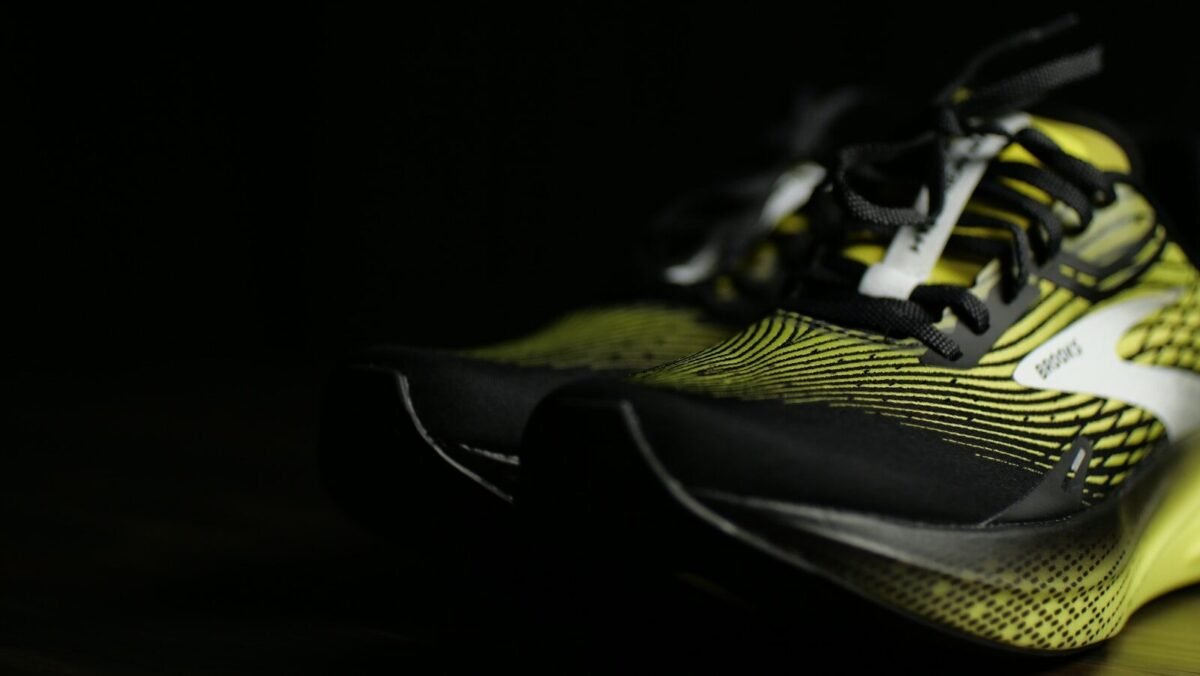
Running is one of the simplest sports in the world. Long before GPS watches, carbon-plated shoes, and technical clothing existed, people were already running for competition, exploration, and enjoyment. That simplicity remains one of the sport’s greatest strengths. At its heart, running asks for very little. A safe place to move, a willingness to begin, and enough consistency to keep returning.
Modern running, however, offers more choices than ever before. New shoes promise greater efficiency, watches provide detailed performance data, and countless accessories claim to improve comfort or recovery. These innovations have genuine value, but they can also create the impression that better running always requires more equipment.
The reality is more reassuring. Good gear supports your running. It does not replace thoughtful training, patient progression, or healthy habits. Understanding that difference makes every future purchase easier.
Start With What You Actually Need
One of the first questions new runners ask is what they should buy before beginning.
The answer is often much shorter than expected.
A comfortable pair of running shoes that fit well, clothing that allows you to move freely, and suitable socks are enough for most people to begin running safely and comfortably. Beyond these essentials, almost everything else can be added gradually as your experience grows.
Starting with the basics has another advantage. It allows you to discover what you genuinely need rather than buying equipment for problems you may never encounter.
Comfort Is More Important Than Trends
The running industry changes quickly.
Every year introduces new shoe technologies, updated clothing materials, and devices capable of measuring almost every aspect of performance. While these developments are exciting, they do not change one fundamental principle.
Comfort matters.
A shoe that feels comfortable from the moment you try it on is usually a better choice than one selected because it is fashionable or heavily advertised. Clothing that allows natural movement will almost always contribute more to an enjoyable run than garments chosen purely for appearance.
The most useful piece of gear is often the one you stop noticing once the run begins.
Gear Should Match Your Running
As runners gain experience, their equipment naturally begins to evolve.
Someone preparing for a first five-kilometre event has very different needs from someone training for an ultramarathon. Trail runners require different footwear from road runners. Winter conditions ask for different clothing than a warm summer morning.
Rather than searching for the “best” gear, it is more helpful to ask a different question.
What is the best gear for the type of running I actually do?
This simple change in thinking prevents unnecessary purchases and encourages equipment that genuinely supports your training.
More Equipment Does Not Mean Better Running
It is easy to assume that experienced runners own the most gear.
Many do not.
Over time, experienced runners often become more selective rather than less. They learn which items genuinely improve comfort and which spend most of their time sitting unused in a cupboard. Experience teaches that thoughtful choices are usually more valuable than owning the largest collection.
Running rewards consistency far more than accumulation.
Owning ten pairs of shoes means very little if they rarely leave the house.
Learn Before You Buy
One of the best investments any runner can make is knowledge.
Understanding why shoes feel different, how clothing performs in changing weather, or when a GPS watch adds genuine value helps you make confident decisions without relying entirely on advertising or online trends.
Knowledge also makes shopping less overwhelming.
Instead of asking which product is the most popular, you begin asking which product best suits your own needs. That shift often leads to purchases that remain satisfying long after the excitement of buying something new has faded.
Build Your Gear Gradually
Few runners assemble their equipment all at once.
Most collections develop naturally over time.
A second pair of shoes may become useful when training volume increases. A lightweight running jacket might become worthwhile before winter. A hydration vest may prove valuable while preparing for longer events. Each addition reflects a genuine need rather than the belief that every runner should own the same equipment.
Allowing your gear to grow alongside your experience keeps running enjoyable without becoming unnecessarily expensive.
Good Equipment Supports Good Habits
No shoe can replace consistent training.
No watch can create motivation.
No item of clothing can compensate for poor recovery or unrealistic expectations.
The best equipment works quietly in the background. It keeps your feet comfortable, helps regulate body temperature, or provides useful information when you choose to use it. Beyond that, your progress still depends on the same principles that have guided runners for generations.
Train consistently.
Recover well.
Be patient.
Enjoy the process.
Gear can support these habits, but it cannot substitute for them.
Choose With Confidence
The running industry offers more choice today than ever before, and that is something to appreciate rather than fear. Better materials, improved shoe designs, and practical technology have made running more comfortable and accessible for millions of people. The challenge is learning to separate genuine needs from clever marketing.
You do not need to own everything to become a runner. You need equipment that fits your body, your goals, and the kind of running you enjoy. As your experience grows, your understanding of gear will grow with it, allowing each purchase to become more thoughtful than the last.
The best running equipment is rarely the most expensive or the most advanced. It is the equipment that quietly helps you forget about what you are wearing so you can focus on the simple pleasure of moving forward. When your gear supports your running instead of distracting from it, it has done exactly what it was designed to do.
Leave a Reply