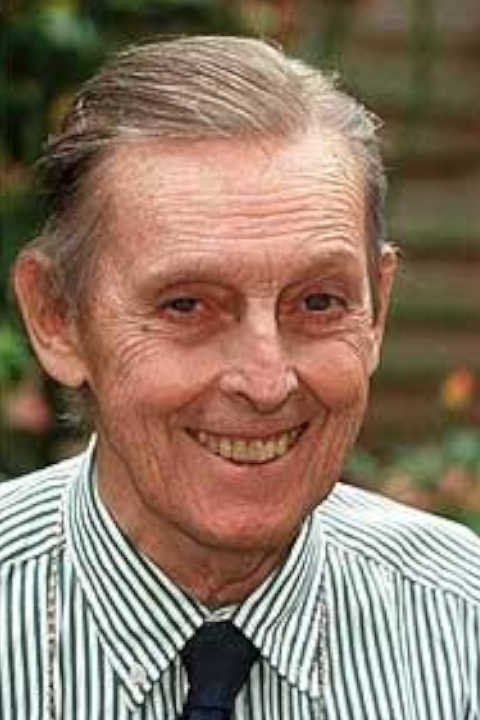
Peter Coe is regarded as one of the most influential middle-distance coaches in athletics history, known for reshaping how runners train for the 800m and 1500m. Quiet, analytical, and deeply methodical, he challenged the conventional coaching wisdom of his era by building a system based not on extreme mileage, but on precision, speed endurance, and intelligent workload management. His ideas helped modernize middle-distance training and continue to influence elite coaching around the world today.
Though best known as the father and coach of Sebastian Coe, Peter Coe’s legacy extends far beyond a single athlete. Largely self-taught, he developed his coaching philosophy through years of studying performance, observing athletes, and experimenting with training structure. At a time when most middle-distance programs focused heavily on volume, Coe believed success came from a more balanced combination of aerobic conditioning, race-specific speed, controlled recovery, and tactical preparation. That philosophy would eventually become one of the most respected systems in the sport.
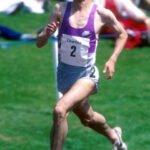
Under Peter Coe’s guidance, Sebastian Coe rose to become one of the greatest middle-distance runners of all time, winning Olympic gold, breaking world records, and redefining championship racing. Their partnership became one of the most successful coach-athlete relationships in athletics history. The smooth efficiency, finishing speed, and tactical brilliance that defined Sebastian’s racing style reflected Peter’s meticulous approach to training. His sessions blended interval work, pace-specific efforts, and speed endurance into a structured program that was years ahead of its time.
Peter Coe’s lasting contribution to athletics lies in proving that intelligent training can outperform excessive training. Many of the principles now common in elite middle-distance programs—quality over quantity, precise pacing, monitored recovery, and race-specific preparation—can be traced back to his methods. His influence remains visible from grassroots development to Olympic-level coaching, and his work continues to stand as a blueprint for modern middle-distance performance.