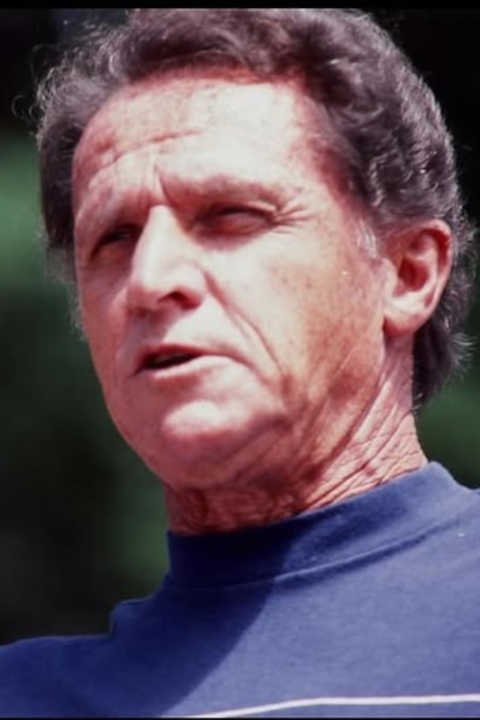
Few coaches have shaped endurance running as profoundly as Arthur Lydiard. Widely regarded as one of the most influential running coaches of the twentieth century, Lydiard transformed how athletes prepare for middle- and long-distance racing through his revolutionary ideas on aerobic conditioning, periodization, and long-term athlete development. His methods challenged conventional training of the time and laid the groundwork for many of the endurance programs still used by elite runners today.
Born in New Zealand in 1917, Lydiard came to coaching through experimentation, observation, and an obsession with understanding performance. Rather than relying on traditional interval-heavy training, he believed endurance athletes first needed to build a powerful aerobic engine before sharpening speed. Working with runners in Auckland, he developed a structured training system centered around high-mileage aerobic running, followed by hill conditioning, speed development, and race sharpening. This phased approach later became known worldwide as the Lydiard System and remains one of the most influential coaching models in running history.
His coaching philosophy gained global recognition through the extraordinary success of athletes such as Peter Snell and Murray Halberg, who won Olympic gold under his guidance during the 1960s. Lydiard’s emphasis on aerobic base development and carefully timed progression helped a small nation like New Zealand produce world-class champions on the biggest stage. His methods proved that patient, structured training could consistently create elite performance, and his concept of periodization became central to modern endurance coaching across nearly every running discipline.
Arthur Lydiard’s influence extends far beyond Olympic medals. His ideas helped shape recreational running culture, inspired the global jogging movement, and influenced generations of coaches around the world. Many modern training philosophies—whether for the 1500m, 5000m, or marathon—still carry traces of Lydiard’s original thinking. His lasting legacy is simple but powerful: build the engine first, trust the process, and let consistency create greatness.