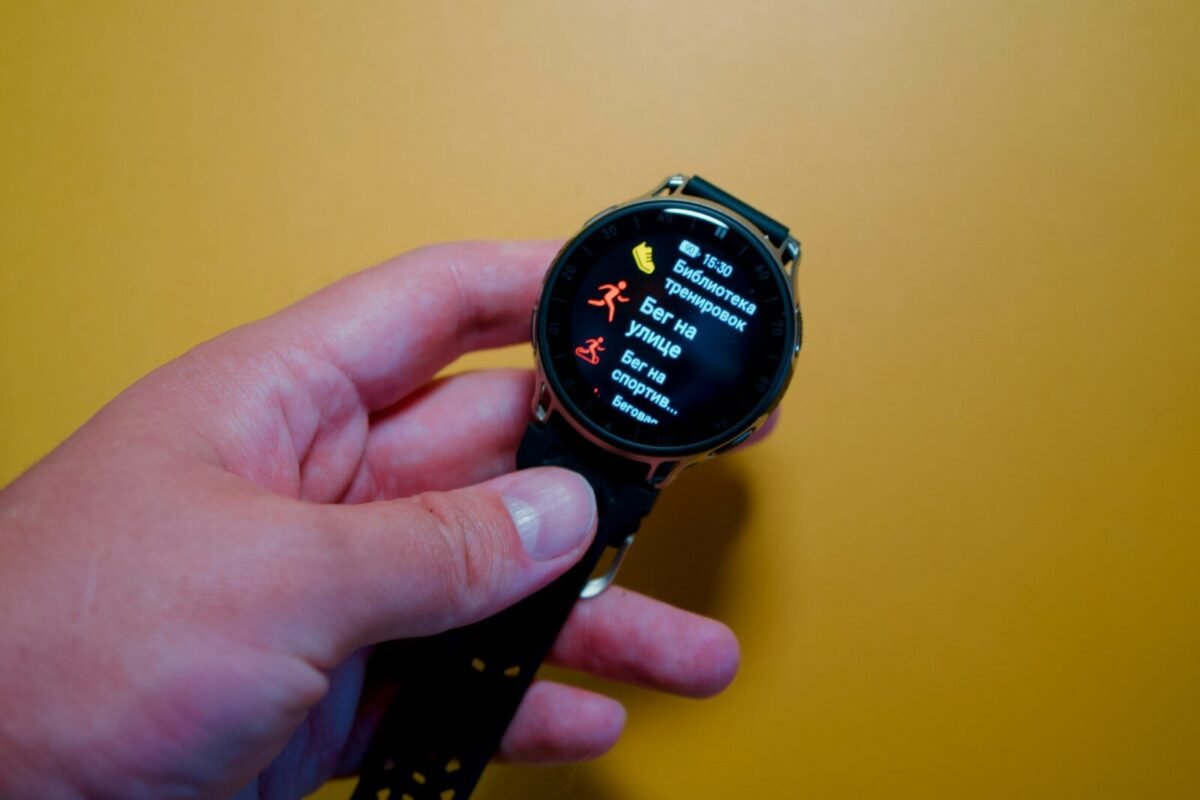
Technology has transformed the running experience in remarkable ways. A few decades ago, estimating the distance of a training run often involved maps, landmarks, or simple guesswork. Today, a GPS watch can record your route with impressive accuracy, analyse your pace throughout the run, and provide detailed summaries within seconds of finishing.
These advances have made training more convenient and more informative than ever before. They have also created an unexpected question. Can you become a good runner without owning one?
The answer is yes.
A running watch can be an excellent training companion, but it is not a requirement for enjoying the sport or improving as a runner.
What a Running Watch Does Well
A GPS watch is designed to collect information.
It measures how far you have run, how quickly you covered each kilometre, and how your pace changed throughout the session. Many watches also estimate heart rate, track elevation, record training history, and help you follow structured workouts.
Used thoughtfully, this information becomes a valuable learning tool.
You begin to understand how different paces feel, how your body responds to harder sessions, and how consistently you are following your training plan.
The data supports your decisions.
It should not replace them.
The Value of Simplicity
Many successful runners begin with nothing more than comfortable shoes and a safe place to run.
They learn to judge effort by breathing, conversation, and how their body feels rather than constantly checking a screen.
These skills remain valuable even after buying a watch.
Learning to recognise an easy pace without looking at numbers, noticing signs of fatigue, or adjusting effort on hills are abilities that technology cannot fully replace.
Running has always involved listening to your body.
A watch works best when it complements that awareness instead of replacing it.
More Data Does Not Always Mean Better Training
Modern watches provide an extraordinary amount of information.
Training readiness.
Recovery scores.
Sleep analysis.
Stress measurements.
Estimated race times.
Training load.
These features can be helpful, but they also create a temptation to believe that every number deserves equal attention.
In reality, most runners improve by focusing on a handful of simple measures such as consistent training, sensible pacing, and gradual progression. The rest of the information should support your understanding rather than become a source of unnecessary worry.
Collecting data is easy.
Knowing which data matters is the real skill.
Watches Can Influence the Way We Feel
Imagine finishing a comfortable run that felt enjoyable from start to finish.
Then you look at your watch and discover the average pace was slower than expected.
Suddenly your opinion of the run begins to change.
Nothing about the run itself has altered.
Only the number has.
Technology is powerful because numbers feel objective. At the same time, they can sometimes distract us from the bigger picture. Recovery runs are meant to be easy. Long runs are often slower than shorter efforts. Weather, hills, fatigue, and sleep all influence pace from one day to the next.
Your watch records performance.
It does not judge the value of your training.
Who Benefits Most From a Running Watch?
Almost any runner can enjoy using a GPS watch.
For beginners, however, it is worth asking whether the watch solves a real problem or simply feels like something every runner should own.
As training becomes more structured, a watch often becomes increasingly useful. Marathon preparation, interval sessions, heart rate training, and long-distance events all benefit from accurate pacing and reliable distance measurement.
The key is allowing your equipment to grow alongside your experience rather than feeling pressured to buy everything immediately.
Remember to Look Around
One of the quiet pleasures of running is experiencing the world beyond your watch.
Sunrise over familiar streets.
The sound of birds in a nearby park.
Conversations with training partners.
The rhythm of your breathing.
It is surprisingly easy to miss these moments while constantly watching pace or heart rate.
Technology should help you understand your running.
It should never prevent you from experiencing it.
Occasionally leaving the watch at home or covering the pace display can remind you how enjoyable running feels when guided entirely by effort and curiosity.
Use Technology With Purpose
A good running watch is neither essential nor unnecessary.
It is simply a tool.
Like any tool, its value depends on how you choose to use it.
If it helps you pace long runs more accurately, follow structured workouts, or understand your training more clearly, it is doing an excellent job. If it creates constant pressure, encourages comparison, or prevents you from enjoying easy runs, it may be worth reconsidering how much attention you give the numbers.
The strongest runners do not become successful because they own advanced technology.
They become successful because they train consistently, recover well, and use available tools wisely.
Let the Watch Support the Runner
Running watches have made it easier than ever to learn about our training. They can reveal patterns we might otherwise miss, provide confidence during races, and help us train with greater structure. Those are genuine advantages that deserve appreciation.
At the same time, the watch should always remain in a supporting role. The decisions that matter most still come from experience, patience, and paying attention to your own body. A watch can tell you how fast you ran. It cannot tell you how meaningful the run was, how much you enjoyed it, or what you learned along the way.
Use your watch to understand your running, not to define it. The most important progress will always happen inside the runner, not on the screen attached to their wrist.
Leave a Reply