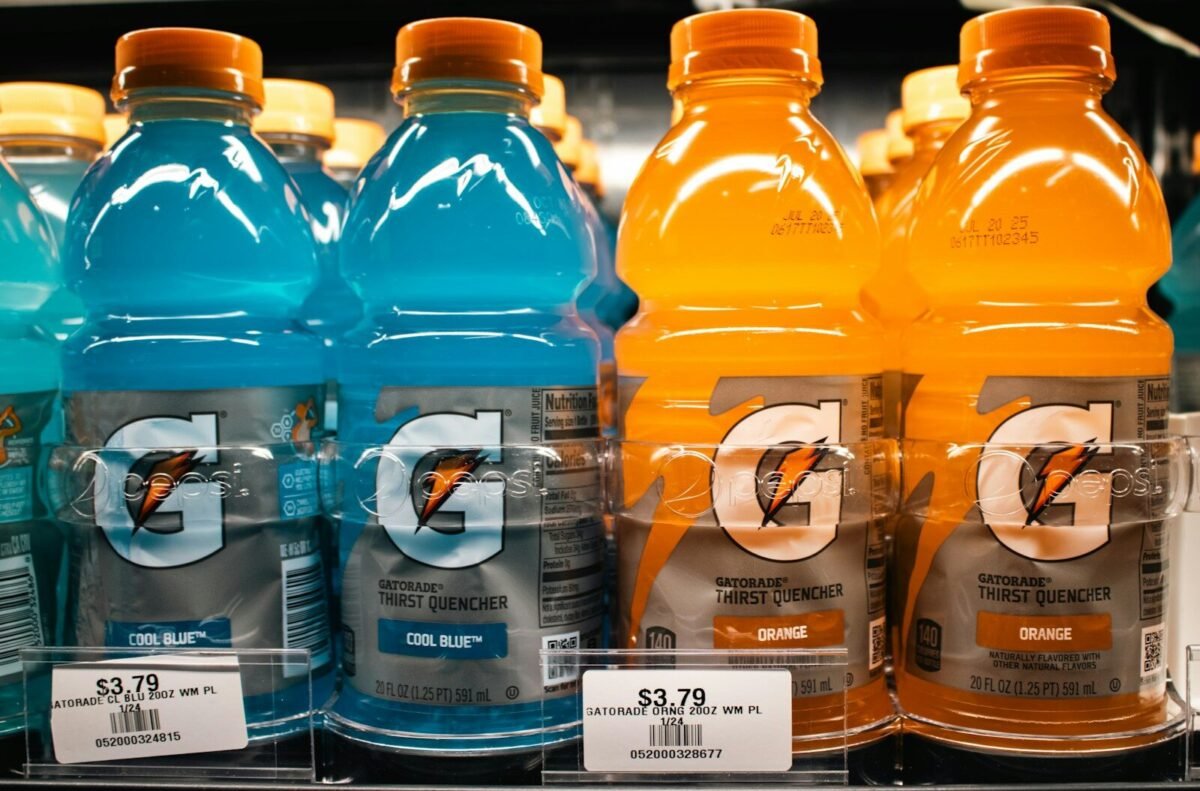
Finish a long run on a hot day and you’ll probably reach for a bottle of water. It feels refreshing, and your body certainly needs it. Yet experienced runners often reach for something else as well. They mix a tablet into their bottle, sip a sports drink, or choose a recovery drink that contains electrolytes. To someone new to running, it can seem like another piece of sports nutrition marketing.
In reality, electrolytes have a genuine role in endurance running. The important question isn’t whether every runner needs them for every run. It’s understanding what they do, when they matter, and when plain water is enough.
What Are Electrolytes?
Electrolytes are minerals that carry an electrical charge when dissolved in body fluids. They help regulate many of the processes that keep your body functioning normally, including fluid balance, nerve signalling, and muscle contractions.
The electrolytes most often discussed in running are sodium, potassium, magnesium, and calcium. While all of them play important roles, sodium is usually the mineral of greatest concern during prolonged exercise because it is lost in the largest amounts through sweat.
These minerals aren’t unique to athletes. Every person relies on them every day. Running simply increases the demands placed on the systems they support.
Why Do Runners Lose Electrolytes?
Sweating is your body’s natural cooling system.
As sweat evaporates from your skin, it removes heat and helps prevent your body from overheating. Along with water, sweat also contains electrolytes, particularly sodium. The amount lost varies enormously between individuals. Some runners finish a workout with only light salt marks on their clothing, while others notice visible white streaks after almost every long run.
The weather, exercise intensity, training duration, genetics, and individual sweat composition all influence how many electrolytes you lose.
Why Sodium Matters Most
Sodium helps your body maintain fluid balance and supports normal nerve and muscle function.
When sodium levels fall too low during prolonged exercise, replacing water alone may not fully restore the balance your body is trying to maintain. This is one reason sports drinks and electrolyte products often focus primarily on sodium rather than attempting to replace every mineral lost through sweat.
That doesn’t mean sodium needs to be consumed constantly. For many everyday runs, your normal meals provide everything your body requires.
Do You Need Electrolytes During Every Run?
Usually not.
For shorter runs, particularly those lasting less than an hour in moderate conditions, drinking water according to thirst is often all that’s required. Your regular diet generally replaces any electrolytes lost through sweat without special planning.
As runs become longer, temperatures rise, or sweat losses increase substantially, electrolyte replacement may become more useful. Marathon training, ultramarathons, and long summer runs place much greater demands on hydration than a comfortable evening jog.
The longer and hotter the run, the more important electrolyte balance can become.
Can Electrolytes Prevent Muscle Cramps?
This is one of the most common beliefs in running.
The relationship between electrolytes and muscle cramps is more complicated than many people realise.
Although severe electrolyte imbalances can contribute to muscle problems, most exercise-associated muscle cramps appear to involve multiple factors, including fatigue, training load, pacing, and neuromuscular fatigue. Electrolytes are one piece of the puzzle, but they are not a guaranteed solution.
If cramps occur regularly, it’s worth looking beyond hydration alone.
Where Do Electrolytes Come From?
Most runners already consume electrolytes every day through ordinary foods.
Milk and yogurt.
Leafy green vegetables.
Beans.
Nuts.
Seeds.
Bananas.
Potatoes.
Table salt.
A balanced diet usually provides these minerals without the need for specialised products.
Electrolyte drinks simply become a convenient option when prolonged exercise increases losses beyond what can comfortably be replaced with normal eating during the activity itself.
Choosing an Electrolyte Product
Walk into any running shop and you’ll find shelves filled with electrolyte tablets, powders, drinks, and capsules.
The variety can seem overwhelming.
The good news is that most recreational runners don’t need to search for the perfect product. A simple, well-formulated electrolyte drink used during longer runs or particularly hot conditions is often sufficient.
The best choice is usually the one that your stomach tolerates well and that fits comfortably into your hydration routine.
Think Balance, Not Replacement
One of the biggest mistakes runners make is assuming they must replace every drop of sweat and every milligram of sodium they lose.
The human body is remarkably good at maintaining balance.
Hydration strategies should support those natural processes rather than trying to control every detail. Drinking according to the demands of your run, eating a balanced diet, and using electrolyte products thoughtfully during longer efforts usually provides everything most runners need.
Perfection isn’t the goal.
Balance is.
Small Minerals, Big Responsibilities
Electrolytes rarely receive the same attention as shoes, watches, or training plans, yet they quietly support some of the most important functions involved in running. Every nerve signal that tells your muscles to contract, every heartbeat, and every adjustment your body makes to regulate fluid balance depends on these tiny minerals working together.
Fortunately, supporting those systems is usually much simpler than it appears. Eat a varied diet, stay well hydrated, and think about electrolyte replacement when your training demands it, particularly during long runs and hot weather.
Like so much of successful running, electrolyte management isn’t about chasing complicated formulas. It’s about understanding what your body needs, responding thoughtfully to the conditions, and allowing simple, consistent habits to support every kilometre you run.
Leave a Reply