Modern running has never offered more nutritional products. Every year brings new powders, capsules, drinks, and gels, each promising to help runners recover faster, perform better, or stay healthier. For someone new to the sport, it can feel as though success depends on buying the right collection of supplements before lacing up a pair of running shoes.
The reality is far less complicated.
The foundation of good running nutrition has changed very little over the years. Regular training, balanced meals, adequate hydration, and sufficient recovery remain far more important than any supplement. Products can sometimes fill specific gaps or solve particular problems, but they cannot replace consistent habits. Understanding that difference helps runners spend their time and money where it matters most.
What Is a Supplement?
A supplement is exactly what its name suggests.
It is something that supplements your diet rather than replacing it.
Some products provide protein. Others contain vitamins, minerals, carbohydrates, or electrolytes. A few are designed to improve convenience during training or racing, while others aim to address nutritional deficiencies identified through medical assessment.
The important point is that supplements are intended to add to an already balanced diet, not become its foundation.
Food Comes First
The vast majority of nutrients runners need are available through ordinary foods.
Carbohydrates provide energy for training.
Protein supports recovery and muscle repair.
Healthy fats contribute to hormone production and long-term health.
Fruit, vegetables, whole grains, dairy products, beans, nuts, seeds, fish, eggs, and lean meats provide a wide range of vitamins and minerals alongside these macronutrients.
Whole foods also offer fibre and many naturally occurring compounds that supplements cannot fully replicate.
Before considering supplements, it is worth asking whether your everyday nutrition already provides what your body needs.
When Supplements Can Be Helpful
There are situations where supplements become practical.
A busy runner who cannot prepare a meal after training may find a protein shake convenient.
A marathon runner completing a long training run may benefit from carbohydrate gels during the session.
Electrolyte drinks can be useful during prolonged exercise in hot conditions.
Someone following a vegetarian or vegan diet may need to pay closer attention to certain nutrients.
In each of these situations, the supplement solves a specific problem.
It does not replace the importance of balanced eating.
Supplements That Runners Often Ask About
Some products appear in almost every discussion about running nutrition.
Protein powders are popular because they offer a convenient way to increase protein intake when whole foods are not immediately available.
Electrolyte tablets and drinks can support hydration during long runs and hot weather but are rarely necessary for every workout.
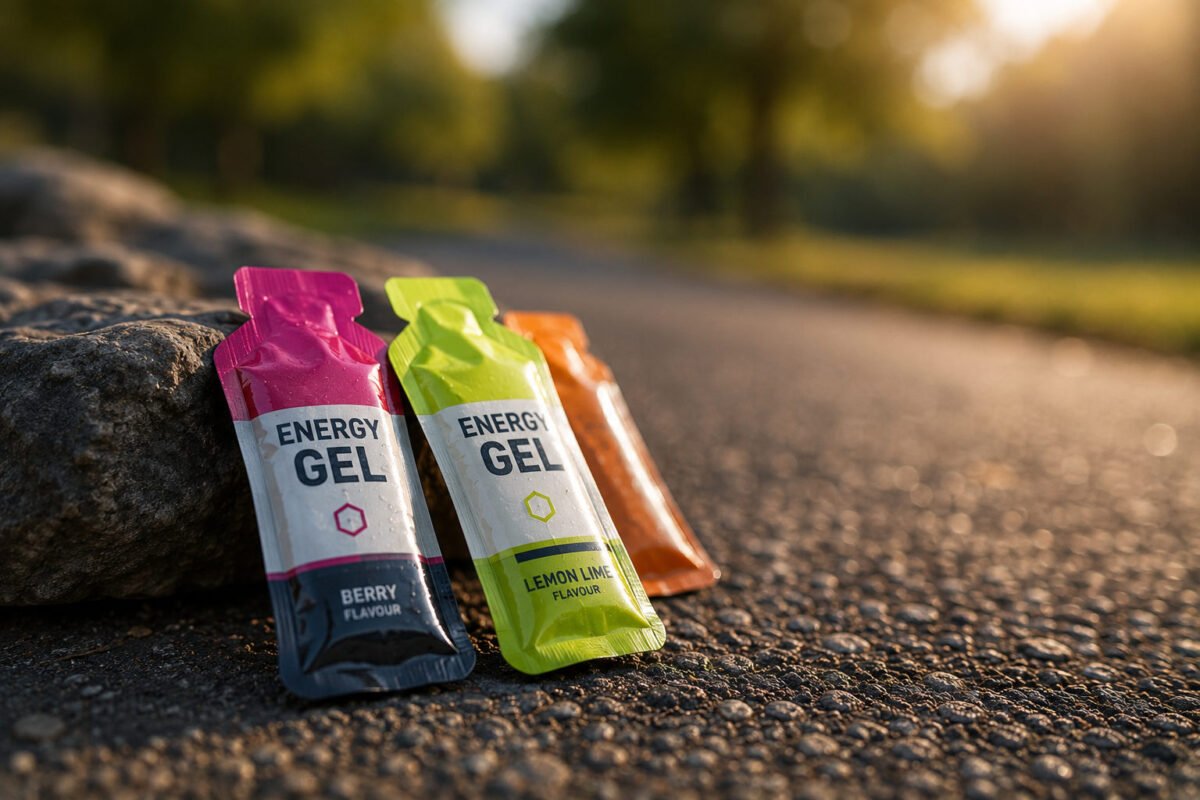
Energy gels provide portable carbohydrates during prolonged exercise and are most useful when training or racing over longer distances.
Creatine has strong scientific support for improving strength and power in many sports. While it is widely used in strength training, its role in endurance running is more limited and depends on the runner’s goals.
Caffeine has been shown to improve endurance performance for many athletes when used appropriately. Like any supplement, however, individual responses vary, and it is best tested during training rather than introduced for the first time on race day.
What About Vitamins and Minerals?
Many runners wonder whether they should take a daily multivitamin “just in case.”
For people eating a varied, balanced diet, routine supplementation is often unnecessary.
Some nutrients deserve special attention in particular circumstances. Iron, vitamin D, vitamin B12, and calcium may require closer monitoring in certain individuals, depending on factors such as diet, age, medical history, or limited sun exposure.
The important distinction is that these supplements should address a genuine need rather than simply following a trend. If you suspect a deficiency, it’s sensible to discuss testing and treatment with a qualified healthcare professional instead of guessing.
More Is Not Always Better
One of the biggest misconceptions in sports nutrition is that if a little helps, more must be even better.
The human body rarely works that way.
Taking large amounts of supplements without a clear reason does not automatically improve recovery or performance. In some cases, excessive supplementation can even be harmful.
The goal is not to consume the greatest number of products.
The goal is to provide your body with what it genuinely needs.
Be Careful With Marketing Claims
The sports supplement industry is full of impressive promises.
Faster recovery.
Greater endurance.
More energy.
Quicker weight loss.
Some products are supported by high-quality scientific evidence.
Many are not.
Healthy scepticism is one of the best habits a runner can develop. Before buying a supplement, ask whether there is good evidence that it works, whether it solves a problem you actually have, and whether the same benefit could be achieved through ordinary food.
Those questions often lead to surprisingly simple answers.
Build the Foundation First
Supplements should never become the first solution.
Instead, begin with the habits that consistently influence performance.
Train regularly.
Eat balanced meals.
Stay hydrated.
Sleep well.
Recover properly.
If those foundations are in place and a supplement addresses a genuine need, it may become a useful addition.
Without those foundations, even the best supplement has very little to build upon.
Support Your Running, Don’t Complicate It
Running has a way of attracting products that promise shortcuts.
Supplements are no exception.
Some have clear, evidence-based uses in specific situations. Many others offer benefits that are much smaller than the marketing suggests.
The strongest runners are rarely those with the largest collection of tubs and bottles in the kitchen. More often, they are the runners who have mastered the ordinary habits that quietly support progress every single day.
Eat well.
Train consistently.
Recover patiently.
Stay curious about what your body needs.
Then use supplements thoughtfully when they genuinely help rather than because they happen to be popular.
Running has always rewarded consistency more than complexity. Supplements can occasionally make the journey a little easier, but they will never replace the simple habits that carry runners from their first easy jog to their proudest finish line.