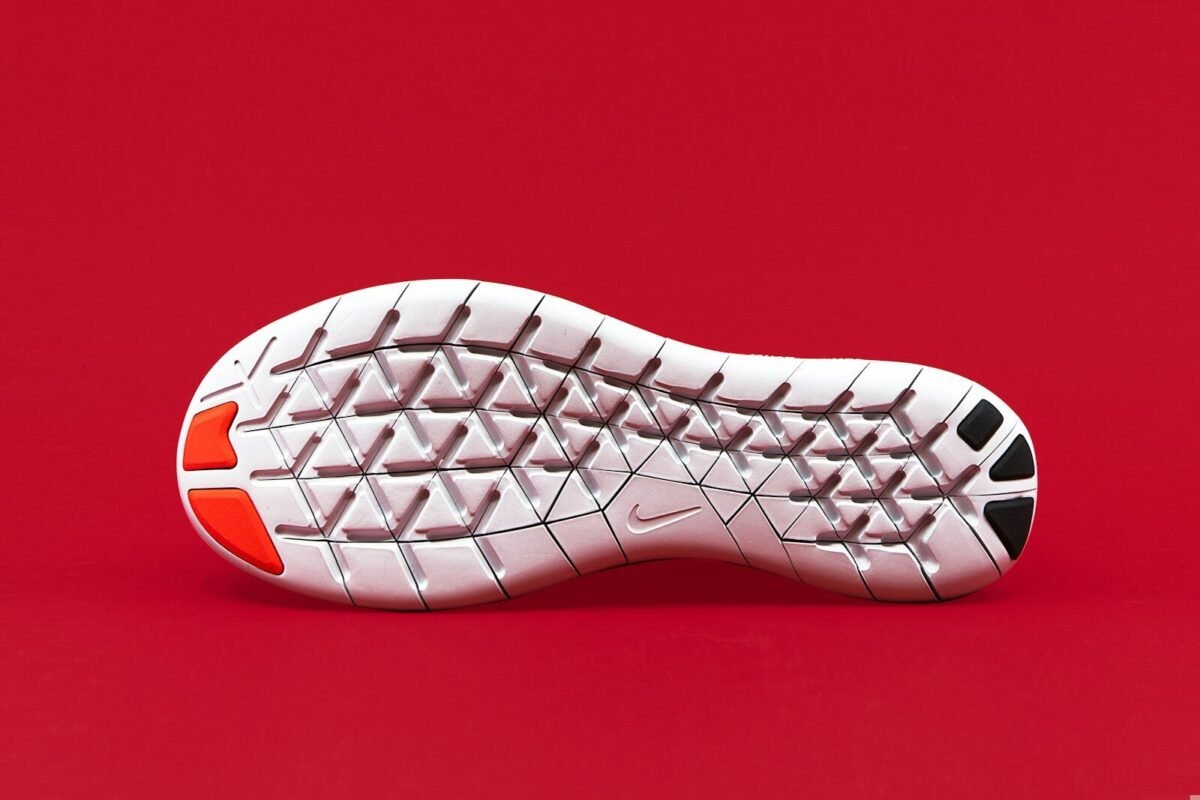
Unlike a tyre or a battery, running shoes do not suddenly stop working. Their performance changes gradually. The cushioning becomes less lively, the upper stretches with repeated use, and the outsole slowly wears away. These changes happen so slowly that many runners fail to notice them until they put on a brand-new pair and realise how different their old shoes had become.
That gradual change explains why there is no single lifespan that applies to every running shoe. Different designs use different materials, and every runner places unique demands on their footwear. The better question is not, “How many kilometres should this shoe last?” It is, “Is this shoe still supporting my running comfortably?”
There Is No Universal Mileage Limit
You may have heard recommendations suggesting that running shoes should be replaced after a certain number of kilometres.
These estimates can be useful as rough guidelines, but they should never be treated as strict rules.
A lightweight runner who trains mainly on smooth roads may find their shoes remain comfortable well beyond those estimates. Another runner who regularly trains on rough surfaces or carries more body weight may notice changes much sooner.
Mileage is one piece of information.
It is not the entire story.
The Midsole Ages Before the Outsole
One common misconception is that shoes should only be replaced once the outsole looks worn.
In reality, the midsole often changes first.
The foam beneath your feet gradually loses some of its ability to compress and rebound in the way it did when the shoe was new. This change is usually subtle. Rather than feeling dramatically different from one day to the next, the shoe slowly becomes less lively and less comfortable over many weeks or months.
Because this process happens gradually, your body often notices the change before your eyes do.
Listen to Your Feet
Your body is an excellent source of feedback.
If a pair of shoes that once felt comfortable now leaves your feet unusually tired, your calves feeling more fatigued than expected, or your legs generally feeling less comfortable after routine runs, it may be worth considering whether the shoes have changed.
This does not mean every ache is caused by footwear. Training load, recovery, sleep, and many other factors also influence how you feel.
The important point is to notice patterns rather than reacting to a single uncomfortable run.
Visible Signs of Wear
Although appearance is not the only guide, it still provides useful clues.
Look at the outsole.
Has the rubber worn smooth in areas that previously had clear tread?
Examine the midsole.
Does it appear permanently compressed or noticeably creased?
Inspect the upper.
Are there tears, stretched sections, or areas where the shoe no longer holds your foot securely?
None of these signs alone automatically means the shoe should be replaced, but together they help build a clearer picture of its overall condition.
Different Runs Place Different Demands on Shoes
Not every training session affects your shoes in the same way.
Easy road runs generally produce different wear from rocky trails or repeated interval sessions on abrasive surfaces. Wet conditions, high temperatures, and rough terrain can also influence how quickly different materials age.
Understanding this helps explain why two runners using the same model may experience very different lifespans.
The environment matters just as much as the distance.
Rotating Shoes Can Extend Their Working Life
Many experienced runners rotate between two pairs of shoes.
One reason is convenience. Another is that allowing shoes time to recover between runs may help the midsole foam regain its shape more effectively.
Shoe rotation can also spread wear across multiple pairs while giving you options for different types of training.
That said, rotation is not essential.
Many runners happily use one dependable pair until it reaches the end of its useful life.
Care Makes a Difference
Simple habits can help your shoes last longer.
Allow them to dry naturally after wet runs instead of placing them near direct heat.
Remove excess dirt after trail runs.
Avoid using running shoes as everyday walking shoes if they are reserved for training.
These small decisions will not double the lifespan of a shoe, but they often help preserve its comfort for longer.
Replace Shoes Before They Become a Problem
One of the easiest mistakes is waiting until a shoe becomes obviously uncomfortable.
By that stage, you have often spent weeks adapting to footwear that no longer feels as supportive as it once did.
If you know an important race or heavy training block is approaching, replacing well-worn shoes a little earlier may provide greater confidence than hoping they will last a little longer.
Running shoes are tools.
Like any well-used tool, they perform best when they remain in good working condition.
Every Pair Tells a Story
Old running shoes often become difficult to throw away because they represent much more than foam and fabric. They remind us of early morning long runs, first races, unexpected adventures, and countless ordinary kilometres that gradually made us stronger. Replacing them can feel surprisingly emotional because we are saying goodbye to a small part of our running journey.
Fortunately, a new pair does not erase those memories. It simply prepares you for the next chapter. Every comfortable run, every finish line, and every lesson learned has never belonged to the shoes alone. It belongs to the runner who wore them.
Pay attention to how your shoes feel, respect the signs that they are changing, and replace them when they no longer support your running comfortably. Doing so is not about chasing the newest model. It is about giving yourself the best opportunity to continue running with confidence, comfort, and enjoyment for many kilometres to come.