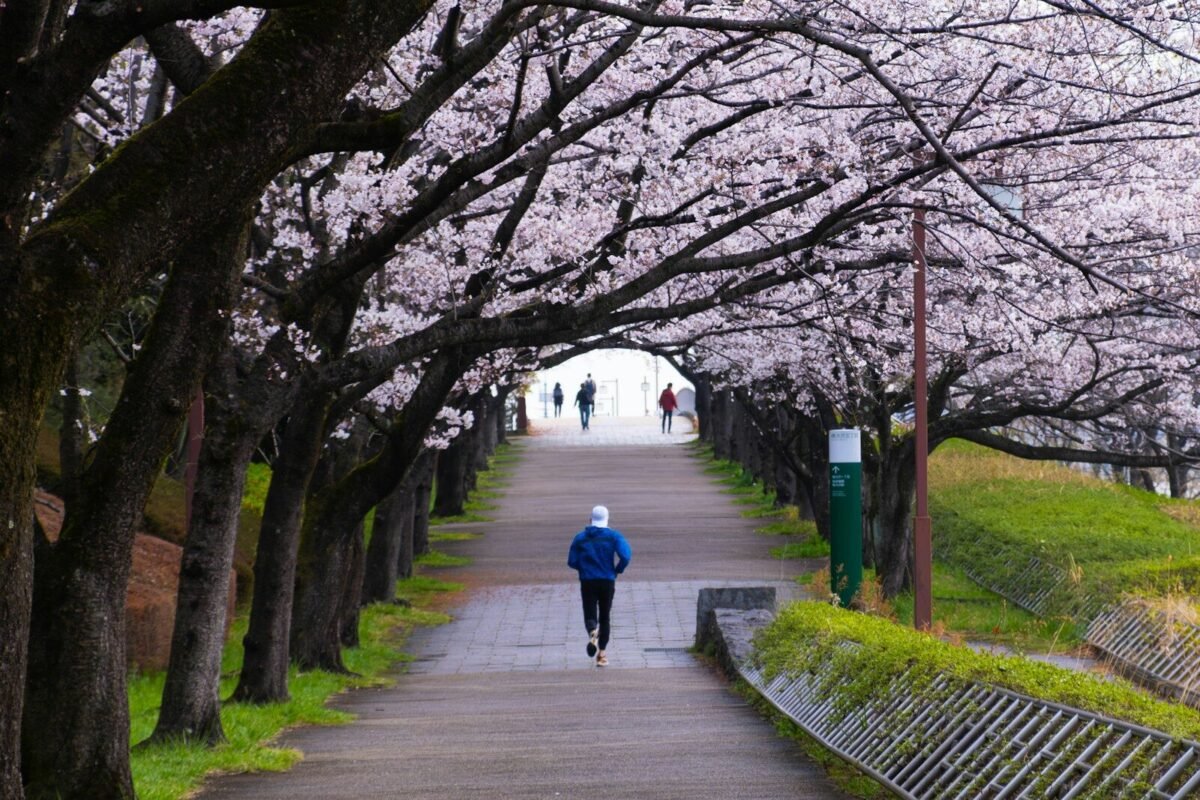
Running has a curious way of changing its meaning over time. In the beginning, every run feels like a challenge. You measure progress in minutes, kilometres, and personal milestones. Completing a first uninterrupted run feels like a remarkable achievement. Every improvement is exciting because it is easy to see.
As the years pass, something begins to change.
Running gradually becomes less about proving yourself and more about understanding yourself. The questions become different. Instead of wondering how quickly you can improve, you begin asking how you can keep enjoying the sport for years to come. That quiet shift in perspective often marks the beginning of thinking like a lifelong runner.
Running Is Not a Project to Finish
Modern life encourages us to complete things.
We finish courses.
We complete projects.
We reach goals before moving on to the next challenge.
Running does not follow that pattern.
There is no final level where you have learned everything or achieved everything worth pursuing. Even experienced runners continue discovering new routes, adapting to changing bodies, experimenting with different training approaches, and setting goals that reflect the stage of life they are currently living.
Running is not something you finish.
It becomes something you continue.
Let Your Goals Evolve
The goals that inspire you today may not be the goals that matter ten years from now.
Perhaps you currently dream of completing your first marathon.
Later, your focus may shift towards staying healthy while balancing family life. Eventually, you may find greater satisfaction in exploring trails, running with friends, or simply maintaining the freedom to move comfortably as you grow older.
None of these goals is more valuable than another.
They simply reflect different seasons of a runner’s life.
Allowing those seasons to change naturally makes running far easier to sustain over the long term.
Curiosity Is More Powerful Than Perfection
Perfection creates pressure.
Curiosity creates opportunity.
A curious runner asks questions without judging every answer.
How does my body respond to longer easy runs?
What happens if I recover more carefully this week?
Could strength training help me feel more comfortable?
How does running change when I stop worrying about pace for a while?
These questions encourage learning rather than self-criticism.
The most experienced runners often remain curious long after they stop chasing perfection.
Learn to Respect Every Season
No one runs through life under identical circumstances.
There are years filled with personal bests.
There are years shaped by raising children, changing careers, recovering from illness, or caring for loved ones.
Training naturally changes alongside these experiences.
Trying to force every season of life to look the same often leads to frustration. Respecting the season you are currently living allows running to remain supportive instead of becoming another source of pressure.
The runner who adapts well is often the runner who stays with the sport the longest.
Community Makes the Journey Richer
Although running is often described as an individual sport, very few lifelong runners stay connected entirely on their own.
Some find encouragement in a local running club.
Others enjoy volunteering at races, supporting friends, or sharing quiet conversations during easy runs.
The relationships built through running frequently outlast individual race results.
Personal bests are exciting.
Shared experiences become lasting memories.
Success Changes Its Meaning
Ask a new runner what success looks like, and the answer often involves speed or distance.
Ask someone who has been running for thirty years, and the answer may sound very different.
Success becomes waking up healthy enough to enjoy another run.
Exploring a new trail while travelling.
Running comfortably with friends.
Finishing a race with a smile instead of exhaustion.
Helping another person complete their first event.
With experience comes the understanding that running offers many kinds of success, not all of which can be measured by a stopwatch.
Protect the Joy of Running
Running works best when it remains something you choose rather than something you feel trapped into doing.
There will always be periods of focused training where discipline becomes important. There will also be times when slowing down, trying a different route, joining friends instead of following a watch, or taking a short break helps preserve your enthusiasm for the sport.
Enjoyment is not the opposite of progress.
It is often one of the reasons progress continues.
The runners who remain active for decades rarely lose their love of improvement, but they also learn not to sacrifice every ounce of enjoyment in pursuit of another few seconds on the clock.
The Greatest Achievement
It is natural to celebrate medals, personal bests, and memorable races.
Those achievements deserve recognition because they represent dedication and hard work.
Yet if you ask many experienced runners to reflect on their proudest accomplishment, the answer is often surprisingly simple.
They never stopped running.
Not because every year was perfect.
Not because every race went well.
But because they learned how to adapt, recover, stay curious, and return after setbacks.
That quiet consistency becomes one of the greatest achievements of all.
Keep Returning to the Road
Running has a remarkable ability to meet you where you are. It welcomes the beginner taking uncertain first steps, the experienced marathon runner chasing a new goal, and the older runner who values movement more than speed. It asks only that you return with patience, curiosity, and a willingness to keep learning.
The kilometres you cover will change over the years. So will your pace, your goals, and the reasons you choose to run. What matters far less is whether those things remain the same. What matters is that running continues to have a place in your life, adapting as you do and quietly supporting your health, confidence, and sense of perspective.
Thinking like a lifelong runner means understanding that success is not measured only by race results or personal records. It is measured by your ability to keep finding meaning in the sport through every stage of life. Some years will be faster than others. Some seasons will ask more patience than ambition. Through all of them, the habit of returning, one run at a time, becomes the thread that connects the entire journey.
There may never be a perfect run or a perfect season, and that is part of running’s lasting appeal. There is always another sunrise to watch, another quiet road to explore, another conversation to enjoy, and another opportunity to move forward. Running is not simply something you do. Given enough time, it becomes one of the ways you experience the world, and one of the ways you continue discovering yourself.