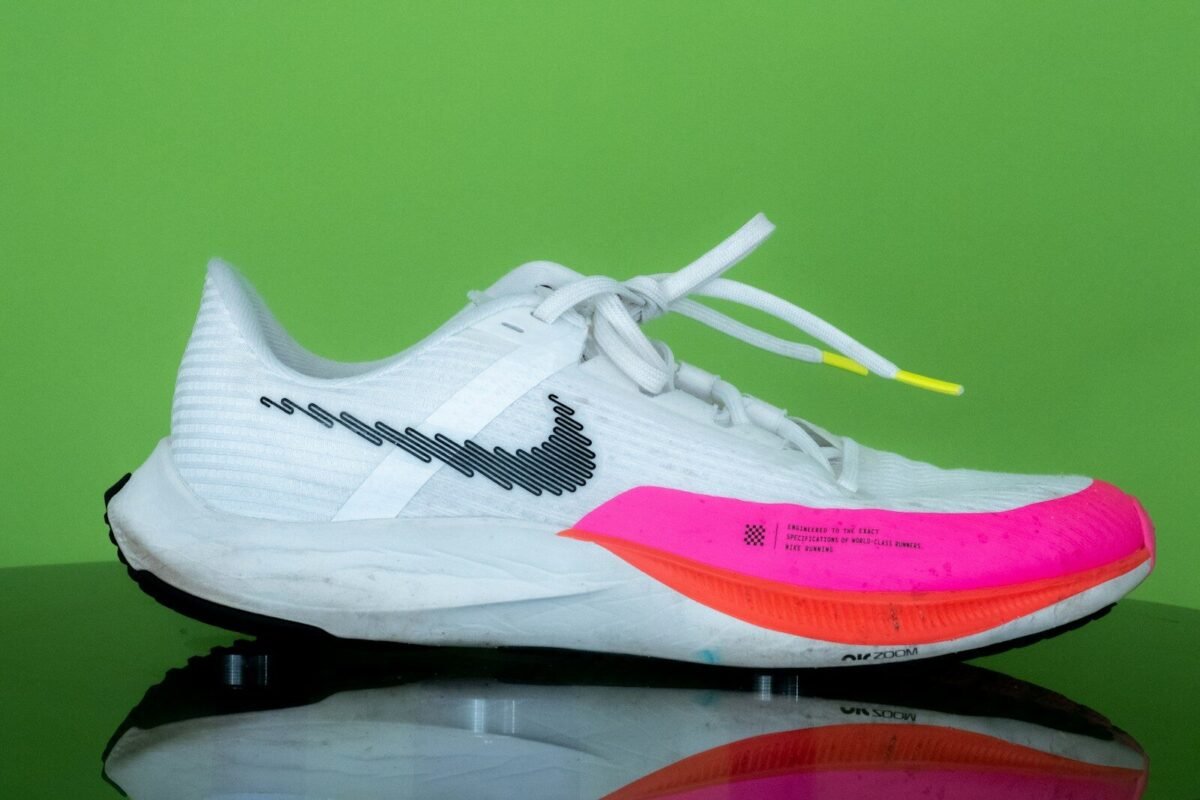
Walk into a running store today and you are greeted by shelves filled with shoes that promise comfort, speed, stability, cushioning, responsiveness, and efficiency. Every model appears to solve a different problem, and every brand introduces new technology designed to improve the running experience. Faced with so many options, it is easy to believe that selecting the right shoe requires expert knowledge.
The encouraging news is that most runners do not need to become footwear specialists. While there are important differences between shoes, the process of choosing them is often simpler than marketing suggests. The goal is not to find the perfect shoe. It is to find a shoe that fits comfortably, supports the type of running you do, and encourages you to enjoy spending time on your feet.
Comfort Comes First
If there is one principle that consistently appears in modern running research, it is the importance of comfort.
A shoe that feels comfortable from the moment you try it on is often the best place to begin. Comfort allows your body to move naturally without forcing you to adapt to a shoe that feels awkward or restrictive. It also increases the likelihood that you will enjoy running in that shoe over many months of training.
This does not mean every comfortable shoe is suitable for every runner. It simply means comfort should be one of the first filters you apply rather than one of the last.
Your feet spend thousands of steps inside your shoes during every run. Paying attention to how they feel is far more valuable than focusing only on technical specifications.
A Good Fit Matters More Than a Famous Name
Brand reputation can be helpful, but it should never replace fit.
Running shoes should feel secure around the heel while allowing enough room for your toes to move naturally. Your foot should not slide excessively inside the shoe, yet it should not feel squeezed from the sides or pressed tightly against the front.
Many runners choose a running shoe that is slightly larger than their everyday footwear because feet naturally expand during longer runs. The exact size varies between brands and even between different models from the same manufacturer.
That is why trying shoes on, whenever possible, remains one of the most valuable parts of the buying process.
Think About the Running You Actually Do
Not every running shoe is designed for the same purpose.
Someone beginning a couch-to-5K programme has different needs from an experienced marathon runner preparing for race day. A runner spending weekends on mountain trails will naturally choose different footwear from someone running exclusively on roads.
Before asking which shoe is the best, ask yourself a more useful question.
What kind of running will this shoe be used for most often?
Choosing equipment that matches your training is usually far more effective than choosing whatever happens to be the newest release.
Don’t Chase Every New Technology
Running shoe technology has evolved rapidly.
Modern foams are lighter and softer than ever before. Some shoes include carbon plates designed to improve efficiency during racing. Others focus on cushioning, stability, or versatility.
These developments have genuine value, but they should not create unnecessary pressure.
A beginner does not need elite racing shoes to enjoy running. Likewise, an experienced runner may not benefit from buying every new model that appears on the market.
Technology works best when it solves a real need rather than simply satisfying curiosity.
Do You Need Stability Shoes?
This question has changed considerably over the years.
For a long time, runners were commonly divided into rigid categories based on foot movement, with specific shoe types recommended for each group. More recent research suggests the relationship between foot motion, shoe type, and injury risk is much more complex than once believed.
For many runners, a comfortable neutral shoe is an excellent choice.
Others may genuinely find that a stability shoe feels more comfortable or provides greater confidence while running.
The important point is that comfort and personal experience should guide the decision rather than assuming one category is automatically correct for everyone.
Give Yourself Time to Adapt
Even an excellent running shoe can feel unfamiliar during the first few runs.
Different cushioning, geometry, or materials may change the way the shoe feels beneath your feet. Unless the shoe causes pain or obvious discomfort, allowing a short period of adjustment is perfectly reasonable.
That said, running shoes should not require weeks of suffering before becoming comfortable.
If something consistently feels wrong, trust your experience.
Comfort should improve your running, not become another obstacle to overcome.
One Shoe Can Be Enough
Many experienced runners own multiple pairs of shoes.
They may rotate different models for easy runs, speed sessions, or races.
Beginners sometimes assume they need to do the same.
In reality, one comfortable, versatile pair of running shoes is enough for most new runners. As training volume grows or goals become more specialised, adding another pair may become useful. There is no need to build an extensive collection before discovering what kind of runner you are becoming.
Simple often works remarkably well.
Let Your Feet Make the Decision
Choosing running shoes can feel intimidating because there is so much advice available. Friends recommend their favourite models, reviews compare technical features, and advertisements promise dramatic improvements in performance. All of this information can be helpful, but none of it replaces the experience of putting a shoe on your own feet.
Your body provides valuable feedback.
Notice how naturally the shoe fits.
Pay attention to comfort while walking and, if possible, while jogging briefly.
Ask yourself whether you would happily spend an hour running in that pair.
Those questions are often more useful than searching endlessly for the perfect review.
The right running shoe is not the one with the most advanced technology or the loudest marketing campaign. It is the one that quietly supports your running without demanding your attention. When a shoe feels comfortable, suits your training, and encourages you to keep returning for another run, it has already achieved its most important purpose.
Choosing running shoes is not about finding perfection. It is about finding confidence, comfort, and consistency, one step at a time.