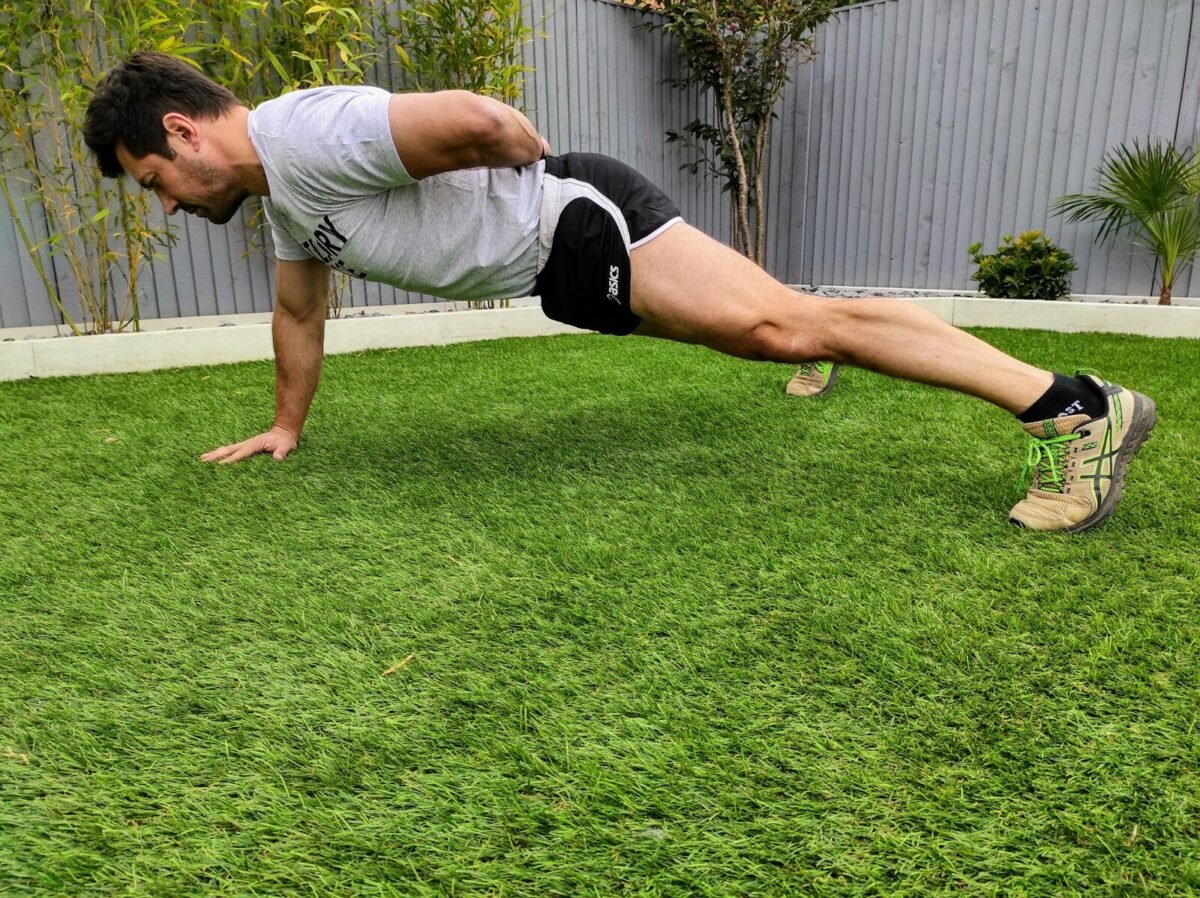
Strength training often feels like a completely different world from running. Gyms can appear intimidating, exercise names sound unfamiliar, and social media is filled with complicated routines that seem designed for elite athletes rather than ordinary runners. It is no surprise that many people decide to skip strength work altogether and simply focus on accumulating more kilometres.
The encouraging news is that effective strength training can begin with almost no equipment at all. Your body weight provides enough resistance to develop balance, coordination, movement quality, and basic strength. For many runners, especially those who are new to the sport, these simple exercises create a foundation that supports every future training session.
The goal is not to become an expert in dozens of exercises. It is to teach your body how to move well, control force efficiently, and handle the repetitive demands of running with greater confidence.
Focus on Movement Before Muscle
One of the biggest differences between strength training for runners and traditional gym training is the way success is measured.
Rather than asking how much weight you can lift, ask how well you move. Can you control a squat without losing balance? Can you step onto a platform smoothly and lower yourself with confidence? Can you remain stable while standing on one leg?
These movement patterns reflect the demands of running far more closely than isolated exercises targeting a single muscle. They encourage different parts of the body to work together, just as they do during every stride.
Squats Teach Everyday Strength
The squat is one of the most fundamental movements in human movement and one of the most useful exercises for runners.
It strengthens the hips and thighs while teaching the body to control movement through the ankles, knees, and hips at the same time. Performed with good technique, squats also encourage balance and coordination, qualities that support efficient running rather than simply increasing leg strength.
Bodyweight squats are often enough for beginners. As confidence grows, resistance can be added gradually, but there is no need to rush that progression.
Lunges Build Balance and Control
Running is essentially a sequence of controlled single-leg movements, making lunges particularly valuable.
Unlike squats, lunges ask each leg to work independently while the body maintains balance. They challenge the hips, thighs, glutes, and core together, encouraging the kind of stability that becomes important during longer runs and uneven terrain.
Many runners discover that lunges reveal differences between the left and right sides of the body. Recognising those differences is one of the first steps towards improving them.
Step-Ups Reflect Real Running
Step-ups are wonderfully practical because they resemble movements runners perform every day.
Stepping onto a stable platform strengthens the hips and legs while improving coordination and single-leg control. The exercise can be adjusted easily by changing the height of the step, making it suitable for runners at almost any level of experience.
More importantly, step-ups reinforce smooth, controlled movement rather than rushing through repetitions.
Calf Raises Prepare You for Repetition
The calf muscles perform an extraordinary amount of work during running.
Every stride asks them to absorb force before helping push the body forward again. A runner taking thousands of steps during a long run places enormous cumulative demands on these muscles.
Simple calf raises help prepare them for that workload. Performing the movement slowly and with good control often provides more benefit than trying to complete as many repetitions as possible.
Bridges Strengthen the Posterior Chain
The muscles along the back of the body, including the glutes and hamstrings, contribute significantly to running efficiency.
Bridge exercises help activate these muscles while also encouraging better control around the pelvis. They are particularly useful for runners who spend long hours sitting during the day, as prolonged sitting often reduces how effectively the glutes contribute during movement.
Strong posterior muscles support smoother, more balanced running mechanics over time.
Balance Is a Skill Worth Training
Standing on one leg may seem almost too simple to count as exercise.
Try doing it with your eyes closed or after a demanding run, however, and the challenge quickly becomes obvious.
Balance exercises improve coordination between the muscles, joints, and nervous system. They encourage the body to make small adjustments automatically, an ability that becomes especially valuable on uneven ground or during the later stages of longer runs when fatigue begins to influence movement.
Good balance is not just about preventing falls. It is about improving control with every stride.
Build a Routine You Can Maintain
One of the most common mistakes runners make is beginning with an overly ambitious strength programme.
Completing an hour of exercises every day may sound productive, but it rarely remains sustainable for long. A shorter routine performed consistently each week usually produces better results than an elaborate programme abandoned after a month.
For many recreational runners, two sessions lasting twenty to thirty minutes are enough to establish good habits and support ongoing running.
The routine should fit comfortably into your life rather than becoming another source of stress.
Strength Is Built One Session at a Time
There is something refreshing about bodyweight training.
It reminds us that effective strength work does not always require sophisticated equipment or complicated programming. The movements themselves are simple, but their effects accumulate gradually with regular practice.
Every controlled squat improves confidence. Every lunge develops stability. Every calf raise prepares the body for another thousand running strides. None of these exercises transforms a runner overnight, yet together they create a body that moves with greater resilience and efficiency.
The best strength programme is rarely the one with the most exercises. It is the one you continue doing because it fits naturally alongside your running. When strength training becomes part of your routine instead of an occasional extra, it quietly supports every kilometre you run and every goal you choose to pursue.