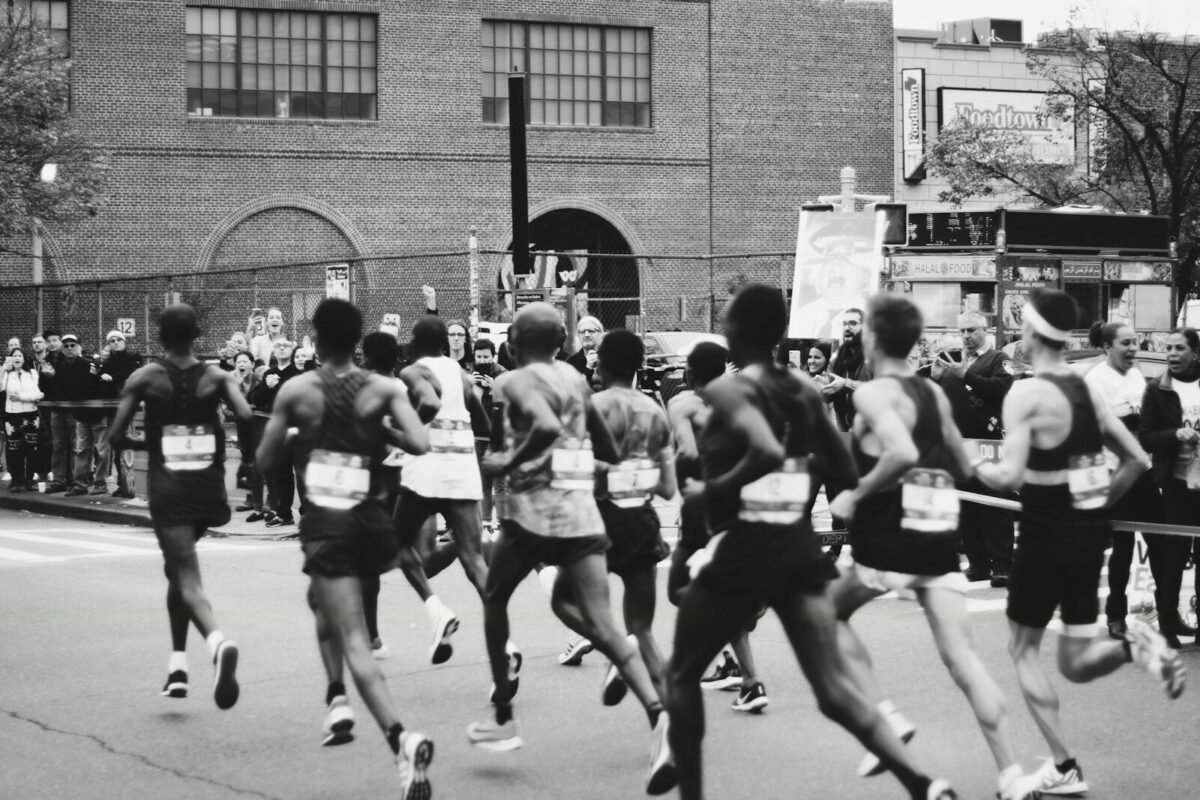
Think back to your first few runs. Perhaps climbing a small hill left you breathless, or a few kilometres felt like a significant achievement. Then something changed. Weeks later, without any dramatic breakthrough, the same route became easier. You weren’t running a different road or wearing different shoes. Your body had simply begun responding to the work you asked it to do.
This ability to adapt is one of the most remarkable features of the human body. Every run sends a message that says, “Prepare for this again.” Your heart becomes more efficient, your muscles learn to use oxygen better, your bones and tendons grow stronger, and even your brain becomes more comfortable with sustained effort. Running fitness isn’t built during a single workout. It’s built through thousands of small adaptations that accumulate over time.
What Is Adaptation?
Adaptation is your body’s response to repeated physical stress.
When you run, you temporarily disturb your body’s normal balance. Muscles work harder than usual, your heart beats faster, breathing increases, and energy stores begin to decrease.
Rather than seeing this as damage, your body treats it as information.
It begins preparing for the possibility that you’ll ask it to perform the same task again.
The next time you run, the challenge feels slightly more manageable because your body has already started making improvements.
Fitness Doesn’t Improve During the Run
This idea surprises many new runners.
The run itself doesn’t make you fitter.
The run provides the stimulus.
Improvement happens afterwards.
While you rest, your muscles repair tiny amounts of stress created during exercise. Your cardiovascular system adjusts to deliver oxygen more efficiently. Your energy systems become better prepared for future runs.
Without this recovery period, adaptation cannot take place.
Training and recovery are not separate processes.
They are two halves of the same process.
Why Consistency Matters More Than Intensity
Imagine watering a plant.
Giving it an enormous amount of water once each month is far less effective than providing smaller amounts regularly.
Running works in much the same way.
One exceptionally hard workout creates a large challenge, but it cannot replace weeks of steady training.
Consistent running provides repeated opportunities for adaptation without overwhelming the body.
That’s why runners who train regularly often improve more than those who rely on occasional bursts of intense effort.
Your Heart Learns to Work More Efficiently
One of the earliest adaptations to regular running occurs inside your cardiovascular system.
As training continues, your heart gradually becomes stronger and more efficient at pumping blood.
With each heartbeat, it can deliver more oxygen-rich blood to your muscles.
Over time, this means your heart doesn’t need to beat as rapidly to perform the same amount of work.
Many runners notice this as a gradual reduction in resting heart rate or a greater sense of comfort during familiar runs.
These are signs that your cardiovascular system is adapting.
Your Muscles Become Better at Using Oxygen
Running isn’t only about delivering oxygen.
Your muscles must also use that oxygen efficiently.
Regular training encourages your muscles to develop more mitochondria, often called the power stations of the cell because they produce the energy needed for movement.
Tiny blood vessels called capillaries also become more numerous, improving the delivery of oxygen and nutrients to working muscles.
You don’t need to remember these scientific names.
What matters is understanding their effect.
Your body becomes better at producing energy with less effort.
Your Bones and Tendons Adapt Too
Many runners think only about muscles when they train.
Bones, tendons, and ligaments are adapting as well.
These tissues respond more slowly than your heart and muscles, which is one reason gradual progression is so important.
You may feel capable of running farther after only a few weeks because your cardiovascular fitness has improved.
Your bones and connective tissues, however, often require much longer to develop the same level of resilience.
Patience protects progress.
Adaptation Requires Recovery
Training creates the reason to improve.
Recovery provides the opportunity.
Sleep, nutrition, hydration, and rest days all contribute to the adaptation process.
Without sufficient recovery, your body remains busy repairing yesterday’s training instead of preparing for tomorrow’s.
This explains why experienced runners treat recovery as part of training rather than a break from it.
Improvement depends on both.
Small Changes Become Big Improvements
One run rarely changes your fitness.
One week may not feel dramatically different either.
Adaptation happens quietly.
Each easy run strengthens your aerobic system a little.
Each long run builds endurance.
Each recovery day allows repairs to take place.
Month after month, these small improvements combine to create changes that once seemed impossible.
The body rarely transforms overnight.
It transforms through repetition.
Trust the Process
The science of running isn’t built around shortcuts.
It’s built around adaptation.
Every run teaches your body something.
Every recovery period allows those lessons to become permanent.
Every week of consistent training strengthens systems you can’t see but will eventually feel.
That’s why experienced runners often speak about trusting the process.
They understand that today’s easy run is contributing to next month’s fitness, even if today’s watch doesn’t show dramatic improvement.
Running rewards patience because the human body rewards consistency.
Every step you take sends a message that you’re asking your body to become stronger, more efficient, and better prepared for the next challenge. Given enough time, thoughtful training, and proper recovery, it almost always responds. That quiet conversation between effort and adaptation is the real science behind every runner’s progress, whether they’re preparing for their first 5K or their fiftieth marathon.
Leave a Reply